

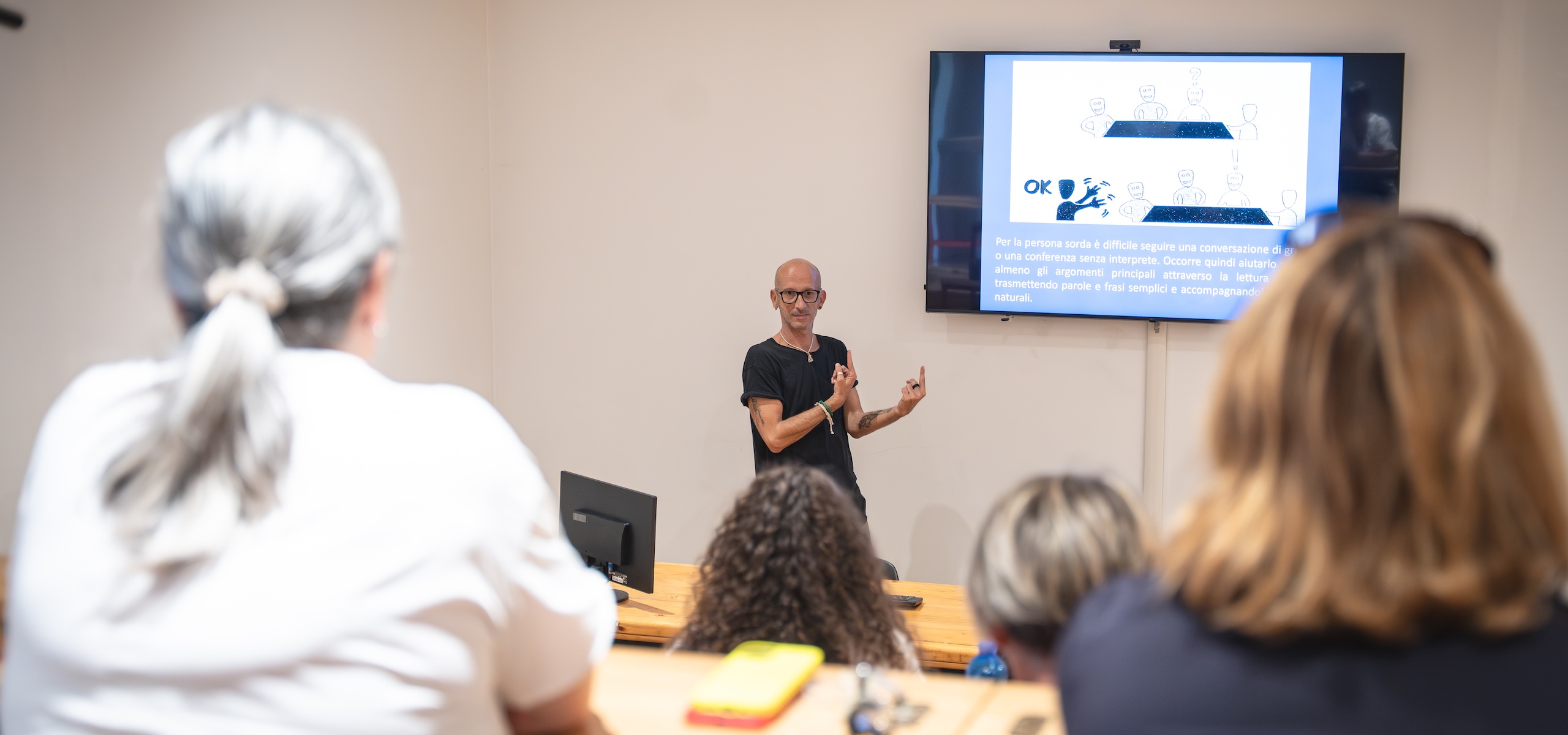
A training programme for the staff of the Piccolo Teatro di Milano – Teatro d’Europa and mapping of the theatre’s interior and exterior.
Where we started
One of the main obstacles preventing people with disabilities from participating in and enjoying the cultural scene is the fact that both institutions and operators have limited knowledge of the accessibility options available.
This can often result in the creation of invisible barriers – not only physical ones, but also organisational, communicative or cultural ones – which can hinder people with disabilities from attending live performances, whether as audience members or industry professionals.
Bearing this in mind and considering the broader context of the Piccolo Aperto project – the accessibility programme of the Piccolo Teatro di Milano, implemented with the support of the Fondazione di Comunità Milano – it became clear that it was necessary to launch a training programme to equip participants with the tools, languages and common references needed to address accessibility as an integral part of the theatre’s cultural mission.
What we did
The training programme tackled the complex issue of accessibility, combining in-depth theory sessions with practical exercises.
The training was divided into:
an initial session focusing on the concept of accessibility, with the aim of building a common knowledge base and encouraging reflection on how disability is represented in live performances;
- two sessions dedicated to analysing the main barriers to the participation of people with disabilities, and to exploring strategies, tools and national and international best practices for overcoming these barriers.
Some of the work involved looking closely at the theatre context, also by using the accessibility game ‘TECLA – il gioco! A che punto siamo con l’accessibilità?’ (TECLA – the game! Where do we stand on accessibility?); - two sessions on the topic of communication, involving an analysis of the language and tools that could be used to make communication more accessible. The practical activities involved mapping communication barriers, both online and offline, and identifying potential solutions;
three in-depth sessions, with the involvement of external collaborators:
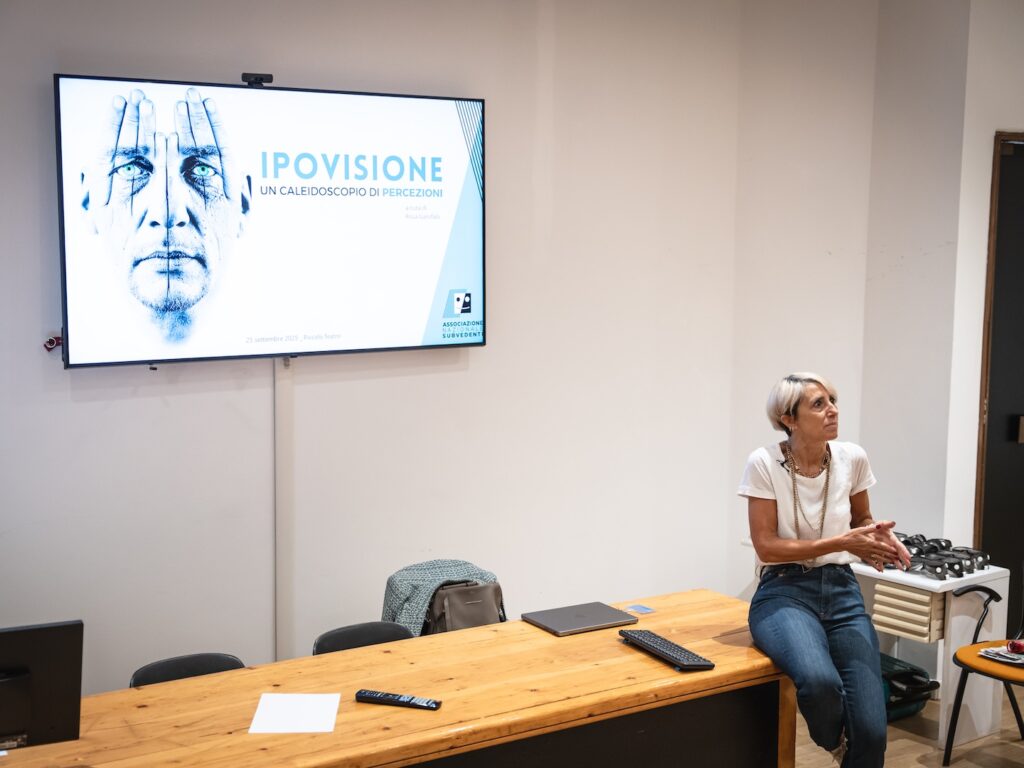
- a session dedicated to blindness and low vision, in collaboration with Rosa Garofalo from ANS;
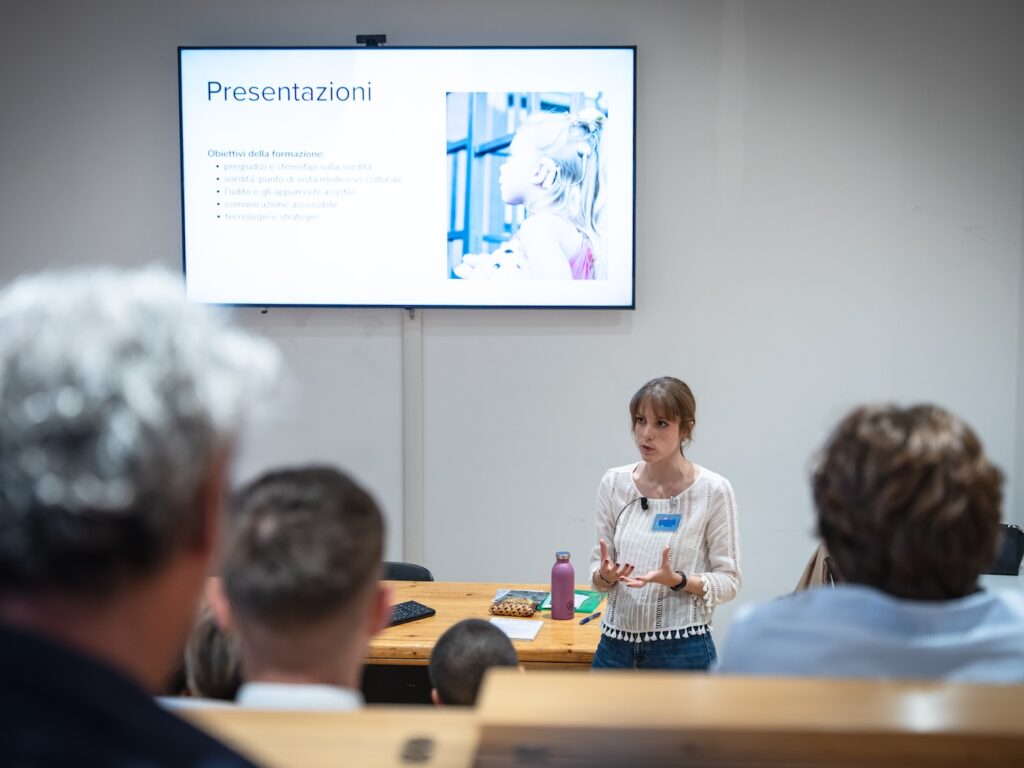
- a session dedicated to deafness (with a focus on oral deaf people), in collaboration with Chiara Pennetta;
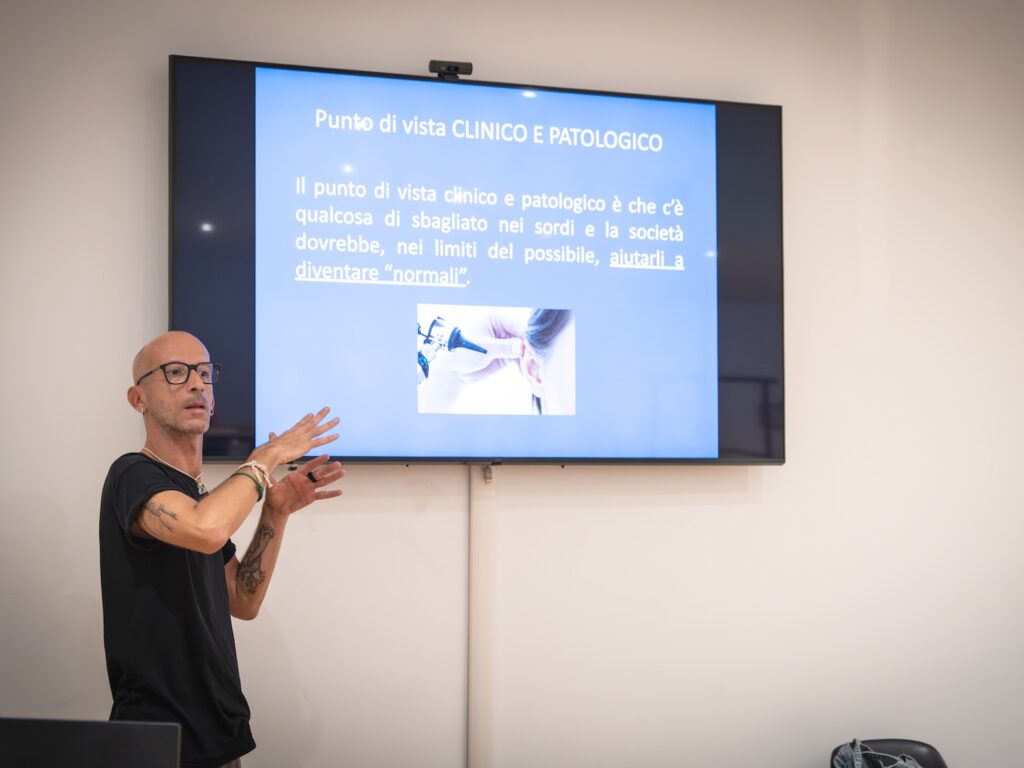
- a session dedicated to deafness (with a focus on deaf sign language users), in collaboration with Matteo Pedrazzi.
In parallel, Fedora created a comprehensive map of all three Piccolo Teatro venues (Teatro Strehler, Teatro Grassi and Teatro Studio Melato) showing both interior and exterior spaces, with the aim of providing a detailed document on the existing aids and barriers to help spectators find their way around during their theatrical experience.

Result: an Art Theatre that is truly accessible to everyone
As part of the Piccolo Aperto project, collaborating with Fedora has allowed the theatre to improve its in-house expertise and develop a better understanding of how important accessibility is to the theatrical experience.
The training programme was the first step in fostering change and promoting a shared attitude towards accessibility among all those working at the theatre. It also paved the way for the creation of a dedicated in-house team, comprising representatives from the various departments and offices involved in the training.
The Piccolo Teatro is taking significant steps in its ongoing evolution, offering a variety of accessibility features, such as audio descriptions, touch tours, surtitles, tactile maps, Italian sign language translations, simplified materials, and an accessible website.


